Lately, it feels like technology’s been really pushing the boundaries, especially with how widely Inertial Sensor Systems are being adopted across all sorts of industries. You know, those systems that use accelerometers and gyroscopes to keep track of motion and orientation? They've become pretty crucial in everything from navigation and robotics to everyday gadgets and even aerospace tech. Getting a good handle on how these systems operate and what benefits they bring is pretty important if we want to make the most of what they can do in today’s fast-changing tech world.
Honestly, inertial sensors are pretty amazing when it comes to accuracy and quick response times. That makes them super valuable for improving user experiences—think smart devices or self-driving cars. They work so well in real-time and hold up under different environmental conditions, which really sets them apart from other types of sensors. Plus, as everyone’s craving more precision and dependability, more companies and researchers are pouring resources into developing these systems further. That’s leading to all kinds of innovative applications—some of which we probably didn’t even imagine before.
Looking at all the different ways these sensors are being used, it’s clear they’re more than just a tech trend—they’re changing the game across industries. When organizations incorporate inertial sensor systems into their platforms, they can boost efficiency, improve safety, and create smarter, more intuitive environments for everyone. If we take a closer look at how these systems work and what they can do, it’s exciting to think about how they’ll shape the future of technology—things are looking pretty promising, honestly.

Understanding Inertial Sensor Systems: A Comprehensive Overview
Inertial sensor systems are critical technologies that harness the principles of motion detection to offer insights into the dynamics of physical systems. These sensors, primarily comprising accelerometers and gyroscopes, function by measuring the rates of acceleration and rotational motion. As they operate independently of external references, they provide real-time data that is vital for a myriad of applications. From aerospace navigation to consumer electronics, these sensors play a pivotal role in enhancing performance, positioning accuracy, and user experience.
The versatility of inertial sensor systems extends across various fields, including robotics, automotive safety, and virtual reality. In robotics, they are integral for spatial orientation and movement precision, allowing for seamless navigation in dynamic environments. In the automotive sector, inertial sensors contribute to advanced driver-assistance systems, improving safety and efficiency by detecting vehicle dynamics during critical maneuvers. Additionally, in the realm of virtual reality, these sensors enable immersive experiences by accurately tracking user movements, thus bridging the gap between the digital and physical worlds. The benefits of utilizing inertial sensor systems are substantial, as they provide robust data that drives innovation and enhances the functionality of modern technology.
The Fundamental Principles of Inertial Sensors
Inertial sensors play a crucial role in various applications by measuring motion and orientation. Primarily, these sensors leverage fundamental principles rooted in Newton’s laws of motion. At their core, inertial sensors comprise accelerometers and gyroscopes, which collectively provide data regarding acceleration and rotational changes. According to a report by MarketsandMarkets, the global inertial sensor market is projected to reach over $17 billion by 2025, highlighting their significance across sectors like automotive, aerospace, and consumer electronics.
The operation of inertial sensors revolves around detecting changes in motion and orientation. Accelerometers measure linear acceleration, while gyroscopes assess angular velocity, enabling the sensing device to determine its position in three-dimensional space. Advanced inertial navigation systems utilize these measurements to enhance accuracy and reliability, crucial for applications such as autonomous vehicles and robotics. A study conducted by the International Society of Automation found that implementing inertial sensors in automated processes can improve operational efficiency by up to 30%, further emphasizing their value in modern technology. With ongoing advancements, the potential for inertial sensors to propel innovation in various fields continues to grow, driven by their essential role in enhancing precision and performance.
Types of Inertial Sensors: Accelerometers, Gyroscopes, and Magnetometers
Inertial sensors are essential components in various applications, providing critical motion data that enables the development of advanced systems. Among the primary types of inertial sensors are accelerometers, gyroscopes, and magnetometers. Each of these sensors plays a unique role in motion detection and orientation, making them invaluable in fields such as aerospace, automotive, and consumer electronics.
Accelerometers measure the acceleration forces acting on an object. They can detect changes in velocity and orientation, allowing for the real-time analysis of motion dynamics. This capability is crucial in applications like vehicle stability control, where precise measurements can enhance safety and performance. By incorporating accelerometers, systems can also monitor user activity in wearable devices, providing insights into fitness and health.
Gyroscopes, on the other hand, are designed to measure angular velocity. By maintaining a fixed reference point, they help determine rotational motion and orientation. This feature is vital in applications that require stability and navigation, such as drones and smartphones. Magnetometers complement these sensors by measuring magnetic fields, thus aiding in navigation and positioning.
Together, these three types of inertial sensors create a comprehensive motion detection system, enabling more accurate tracking and improved functionality across various technologies.
Key Applications of Inertial Sensor Systems in Various Industries
Inertial sensor systems play a crucial role in a multitude of industries, offering unparalleled precision and reliability for various applications. One prominent sector is the automotive industry, where inertial sensors are integral for vehicle navigation and stability control. These sensors allow for real-time monitoring of dynamic conditions, enhancing the performance of advanced driver-assistance systems (ADAS) and contributing to the ongoing development of autonomous vehicles. By accurately detecting changes in motion, they ensure smoother rides and improved safety for drivers and passengers alike.
Another critical application is in the aerospace industry, where inertial sensors are vital for navigation and attitude control of aircraft and spacecraft. These sensors detect changes in orientation and velocity, enabling precise maneuvering even in environments where GPS signals are weak or unavailable. Moreover, in the field of robotics, inertial sensors are essential for motion tracking and stabilization, allowing robots to navigate complex environments with agility and accuracy. Their capacity to provide immediate feedback on movement dynamics makes them indispensable for both industrial automation and consumer robotics, paving the way for advances in technology and efficiency across various fields.
Benefits of Inertial Sensors in Modern Technology and Innovation
Inertial sensors play a pivotal role in advancing modern technology and innovation. These sensors, which measure acceleration and rotation, are integral to various applications ranging from mobile devices and automotive systems to aerospace and robotics. Their ability to provide accurate motion tracking allows for enhanced navigation systems and improved stability control, significantly elevating user experience across different platforms.
Tips: When integrating inertial sensors into your projects, consider optimizing the sensor fusion algorithms to improve accuracy and reduce noise. Additionally, calibrating the sensors correctly can greatly enhance their performance in real-time applications.
The benefits of inertial sensors extend beyond just tracking movement; they enable innovations in fields like virtual reality (VR) and augmented reality (AR). By facilitating precise location and gesture recognition, inertial sensors help create immersive environments that are increasingly intuitive and interactive. As technology continues to evolve, the implementation of improved inertial sensing techniques will undoubtedly unlock new possibilities in various sectors, driving further advancements and applications.
Tips: Always keep in mind the environment where the sensors will be used, as factors like temperature and vibration can impact their effectiveness. Regularly update the firmware to ensure the sensors perform at their best for your specific use case.
Challenges and Limitations of Inertial Sensor Systems
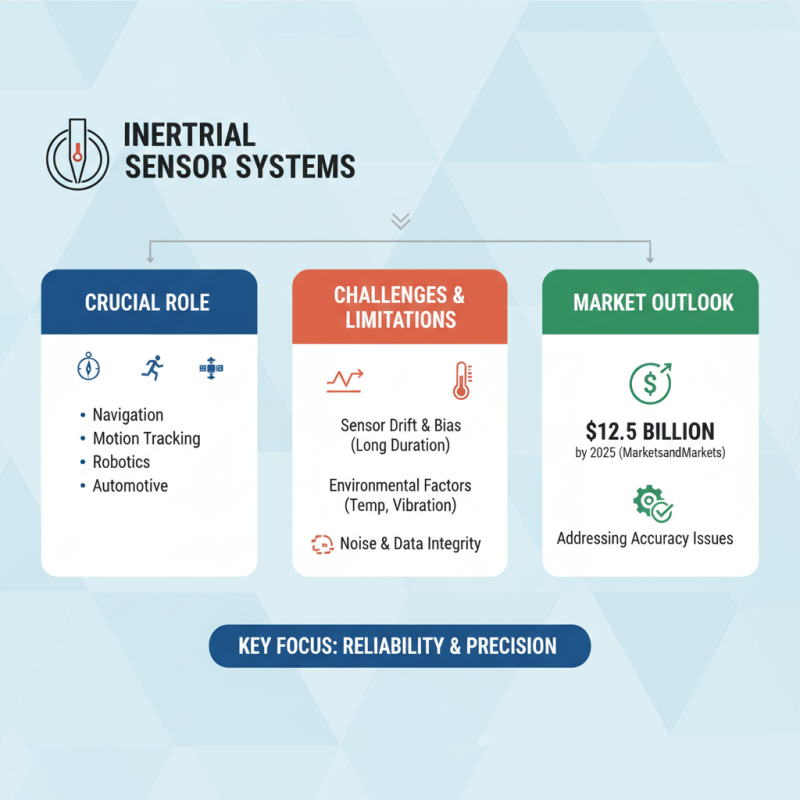
Inertial sensor systems play a crucial role in a variety of applications from navigation to motion tracking. However, they also face significant challenges and limitations that can impact their performance. One major challenge is the susceptibility to errors due to sensor drift and bias, particularly in long-duration applications. According to a report by MarketsandMarkets, the inertial sensor market is projected to reach $12.5 billion by 2025, highlighting the increasing reliance on these systems. Nonetheless, manufacturers must address the accuracy issues associated with environmental factors such as temperature fluctuations and mechanical vibrations which can introduce noise, thereby compromising data integrity.
Moreover, the integration of inertial sensors with other technologies such as GPS and computer vision has limitations due to the complexity of data fusion. This can lead to increased latency and reduced response times in dynamic environments. A study published by IEEE indicates that the effective use of inertial sensors often hinges on advanced algorithms for filtering and sensor calibration, which can be resource-intensive and costly to implement.
**Tip:** To enhance the reliability of inertial sensor systems, consider implementing adaptive filtering techniques that adjust to changing environmental conditions in real time. This can help mitigate some inaccuracies caused by external influences.
Additionally, as the demand for smaller and more efficient sensors grows, miniaturization poses yet another challenge, potentially leading to compromises in performance and sensitivity. The evolution of inertial sensor technology must therefore strike a balance between size and functionality to meet the needs of various applications.
**Tip:** Regular calibration and maintenance of inertial sensors are vital to ensure consistent performance and minimize errors associated with wear and tear.
Future Trends in Inertial Sensor Technology and Applications
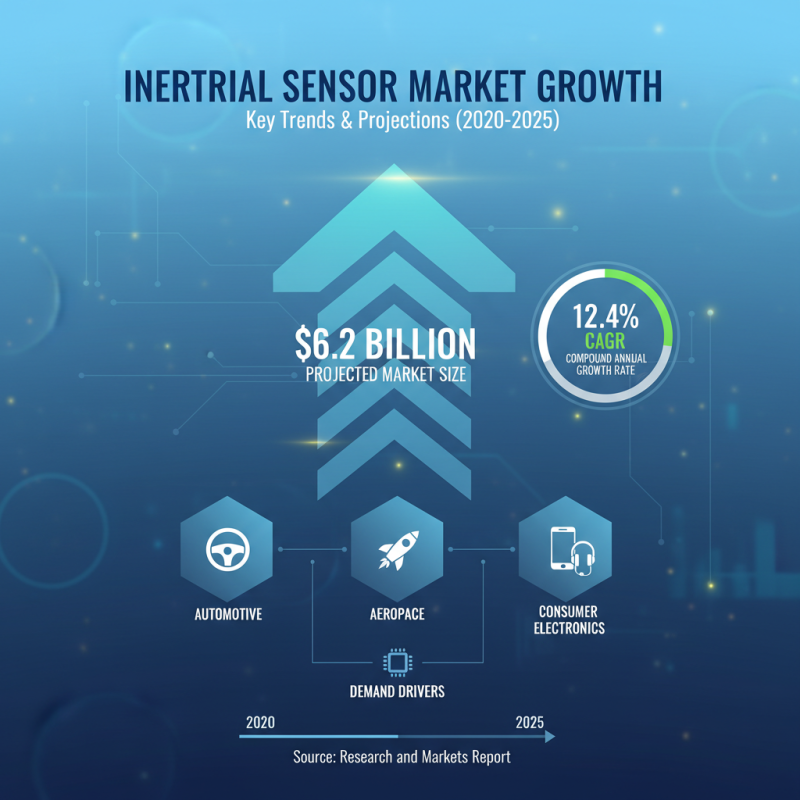
In recent years, the landscape of inertial sensor technology has evolved dramatically, driven by advancements in miniaturization, increased accuracy, and greater integration with other technologies. According to a report by Research and Markets, the global inertial sensor market is projected to reach $6.2 billion by 2025, growing at a compound annual growth rate (CAGR) of 12.4%. This growth is largely attributed to the rising demand in sectors such as automotive, aerospace, and consumer electronics, where inertial sensors play a critical role in enhancing navigation and motion detection capabilities.
Future trends in inertial sensor technology point toward the integration of artificial intelligence (AI) and machine learning (ML) algorithms to improve data processing and interpretation. As outlined in a 2022 study published by the IEEE, these technologies enable more sophisticated analysis, allowing for real-time decision-making in applications ranging from autonomous vehicles to smart wearable devices. Additionally, the push for smaller and lighter sensors is steering innovation toward MEMS (Micro-Electro-Mechanical Systems) technology, which is expected to dominate the market due to its compact design and reduced manufacturing costs. This trend not only paves the way for enhanced functionality but also broadens the potential applications of inertial sensors across various industries.
FAQS
: Inertial sensors are devices that measure acceleration and rotation, and they are essential for tracking motion in various applications.
Inertial sensors are utilized in multiple industries, including automotive, aerospace, consumer electronics, virtual reality, and robotics.
They improve navigation systems and stability control, providing accurate motion tracking that elevates the overall user experience across different platforms.
It's important to optimize sensor fusion algorithms to improve accuracy, calibrate sensors correctly, and consider environmental factors that may impact sensor performance.
Emerging trends include the integration of artificial intelligence and machine learning to enhance data processing, as well as advancements in miniaturization and the use of MEMS technology.
The global inertial sensor market is projected to reach $6.2 billion by 2025, with a compound annual growth rate of 12.4%, driven by increasing demand in various sectors.
Regular firmware updates ensure that the sensors maintain optimal performance for specific use cases and integrate improvements or new features.
Factors such as temperature and vibration can significantly impact the effectiveness of inertial sensors, making it crucial to consider the environment during implementation.
By facilitating precise location and gesture recognition, inertial sensors help create more immersive and interactive environments in virtual and augmented reality applications.
The trend toward smaller and lighter sensors not only allows for enhanced functionality but also expands the potential applications across various industries.
Conclusion
Inertial Sensor Systems play a crucial role in various technological applications by measuring and sensing motion, orientation, and position. Understanding the fundamental principles behind these sensors, including accelerometers, gyroscopes, and magnetometers, provides insights into their operation and diverse uses across different industries such as automotive, aerospace, robotics, and consumer electronics.
The benefits of Inertial Sensor Systems are significant, offering enhanced accuracy, reliability, and real-time data processing, which drive innovations in modern technology. However, challenges such as sensitivity to external disturbances and limitations in certain environments are areas that require ongoing research. As technology advances, future trends are expected to expand the capabilities and applications of inertial sensors, further integrating them into everyday devices and systems.

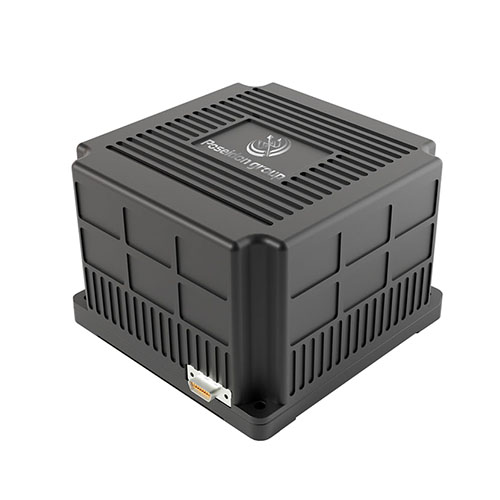 TBSD60
 BSD120
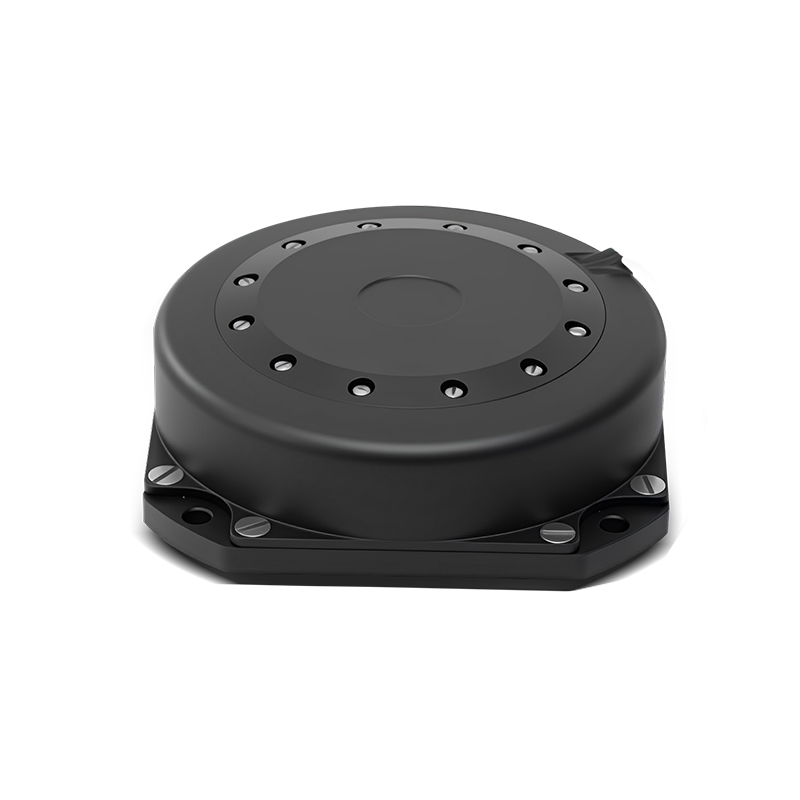 BSD98
BSD98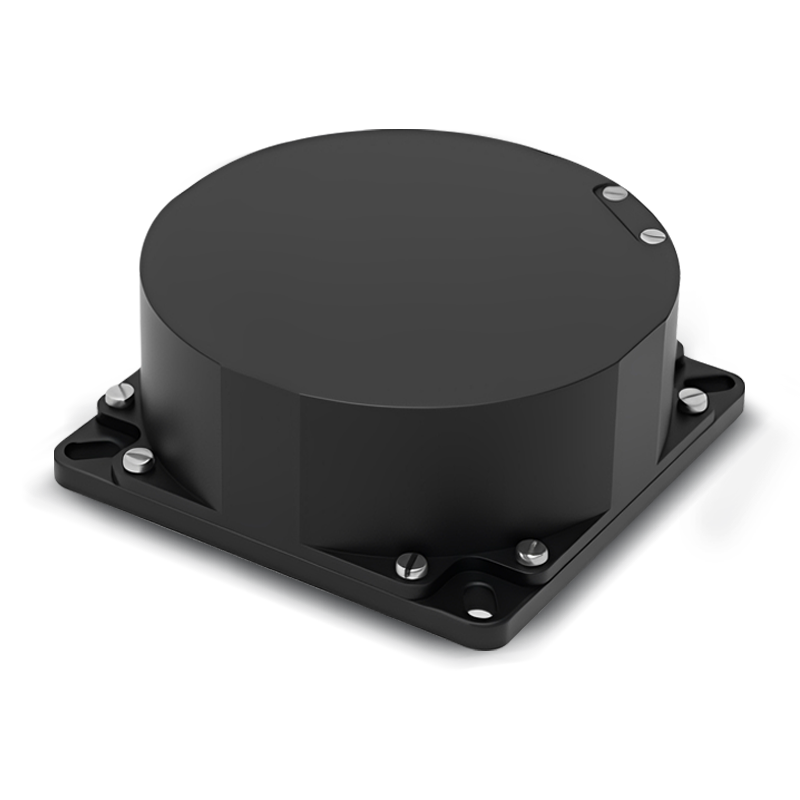 BSD70
BSD70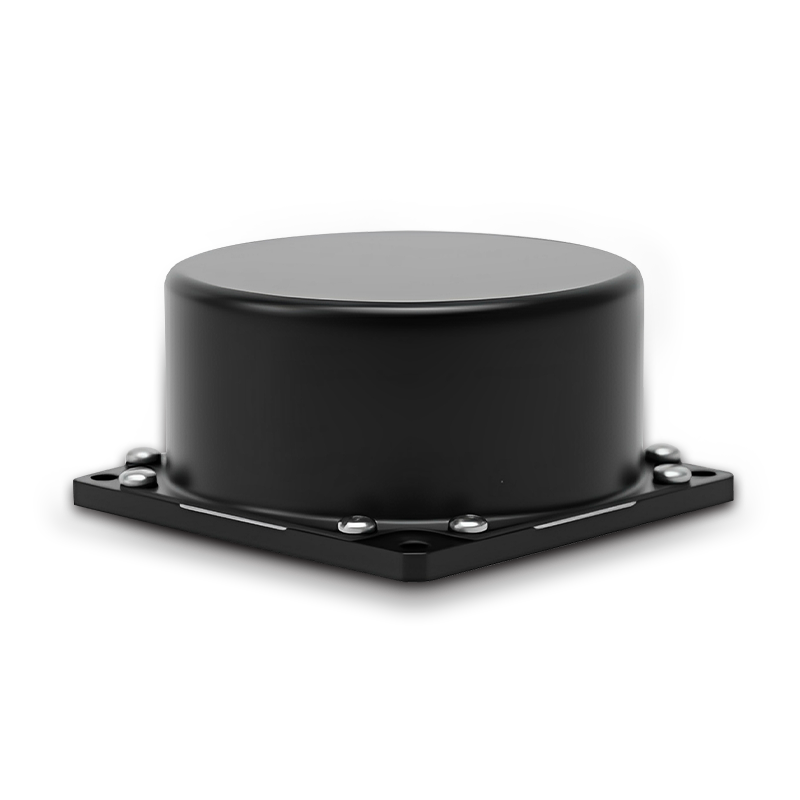 BSD60
BSD60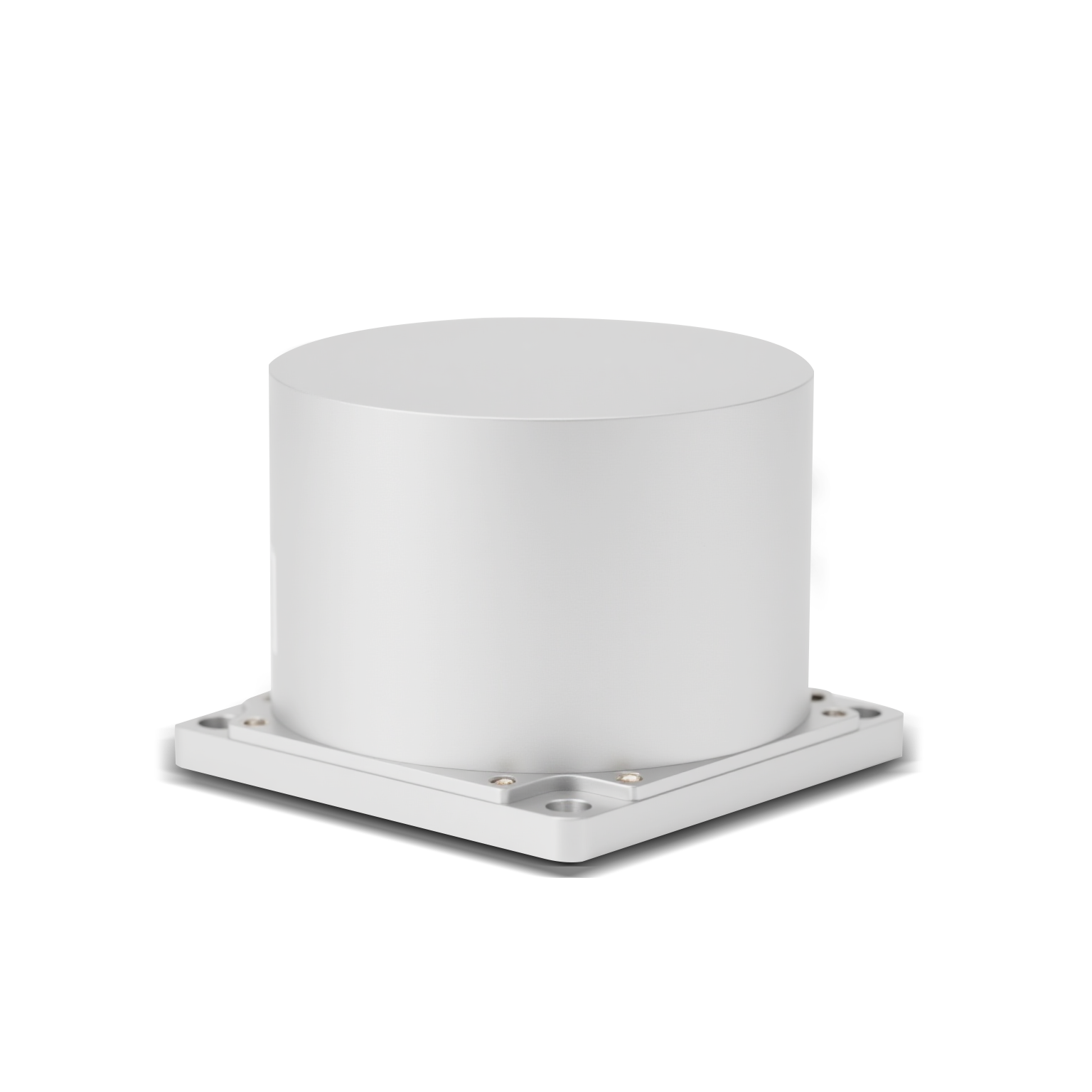 BSD50
BSD50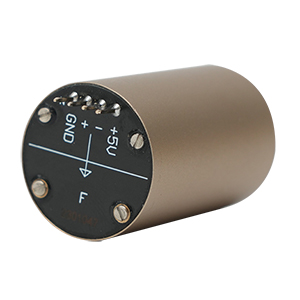 BSD217
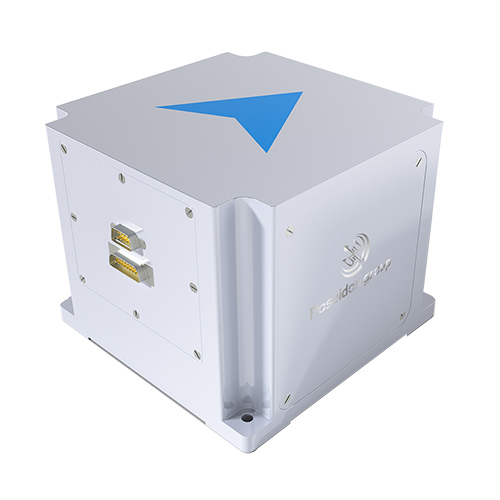 INS1700
 INS970
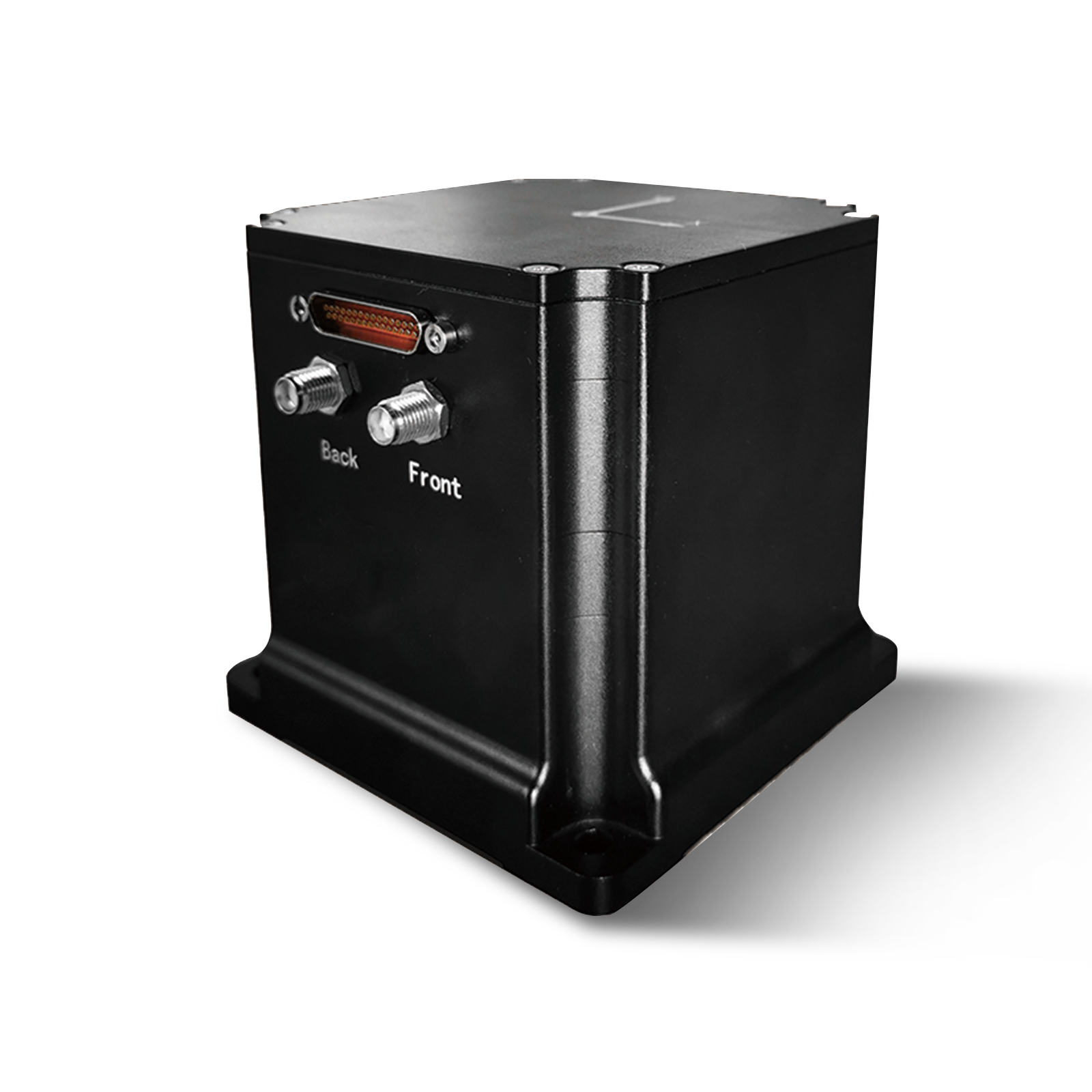 INS570
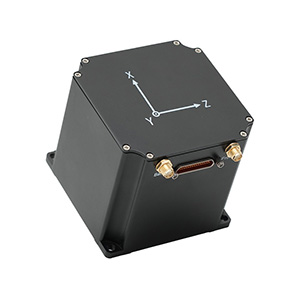 INS170
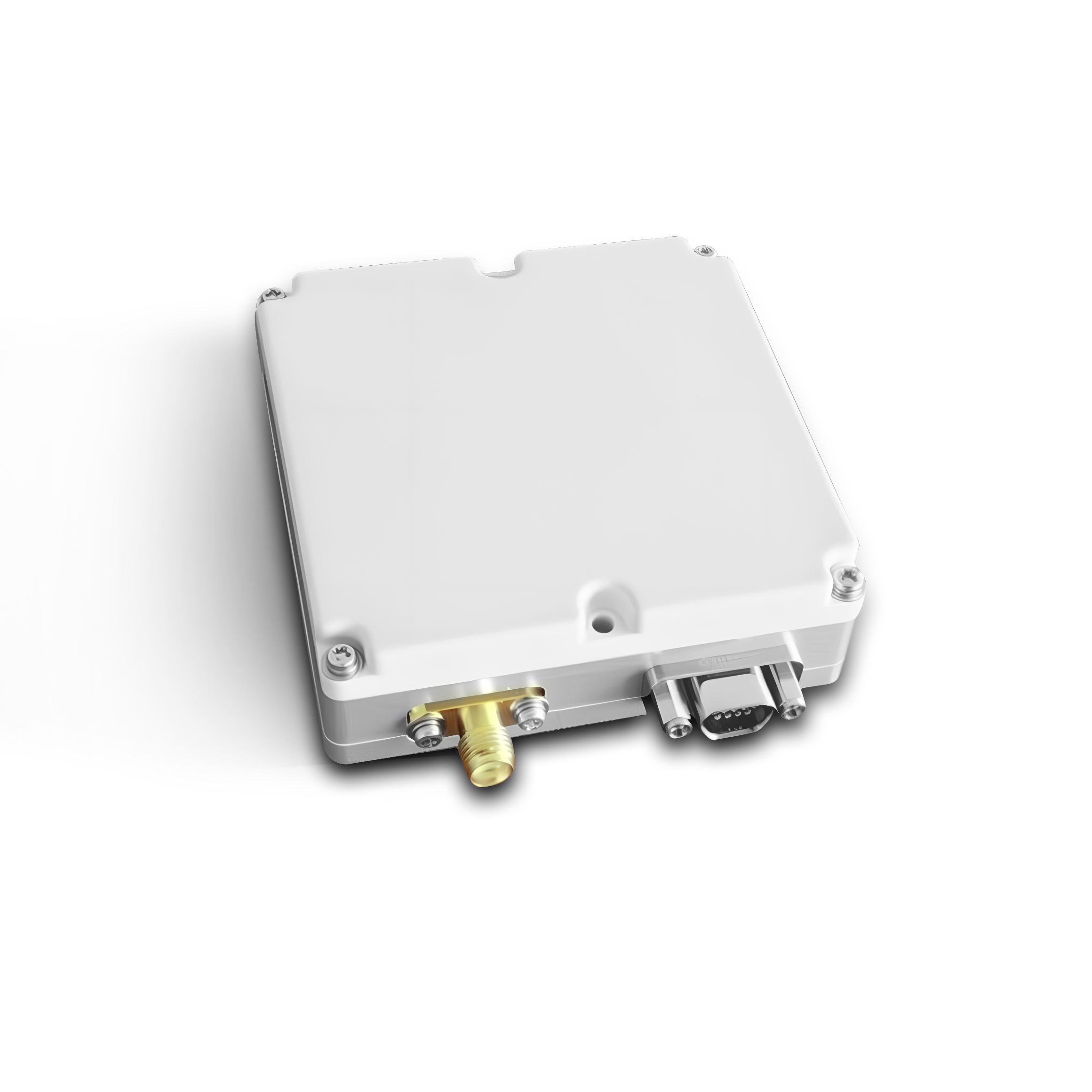 SLA-4B1L1-65
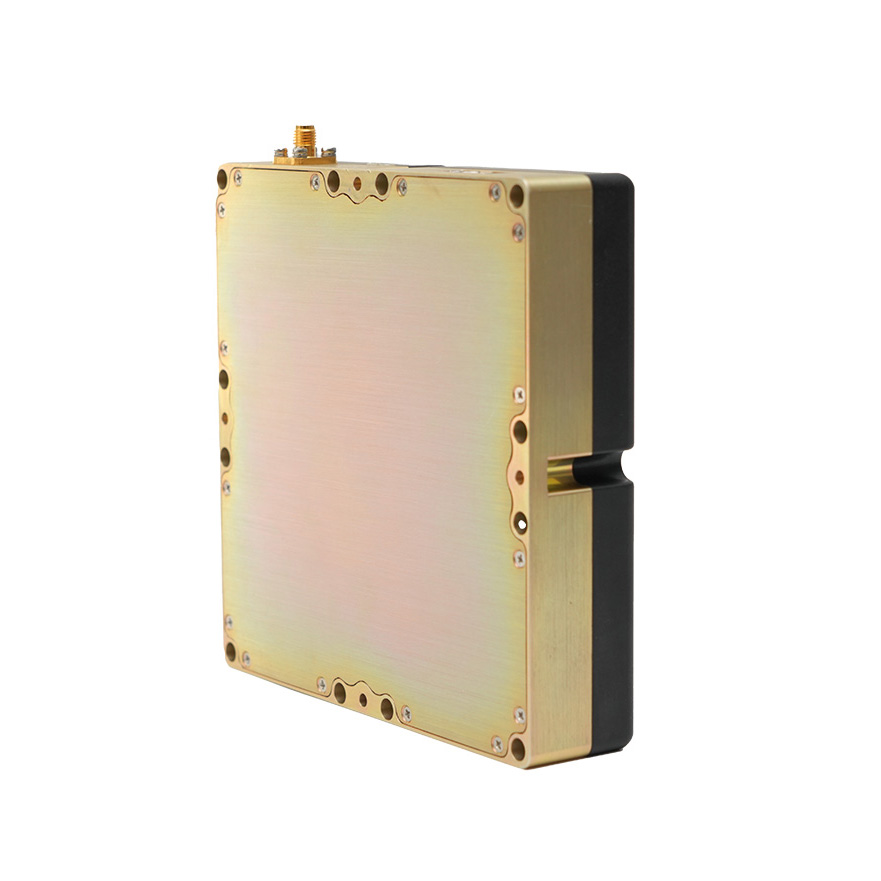 SLA-4B1L1-130
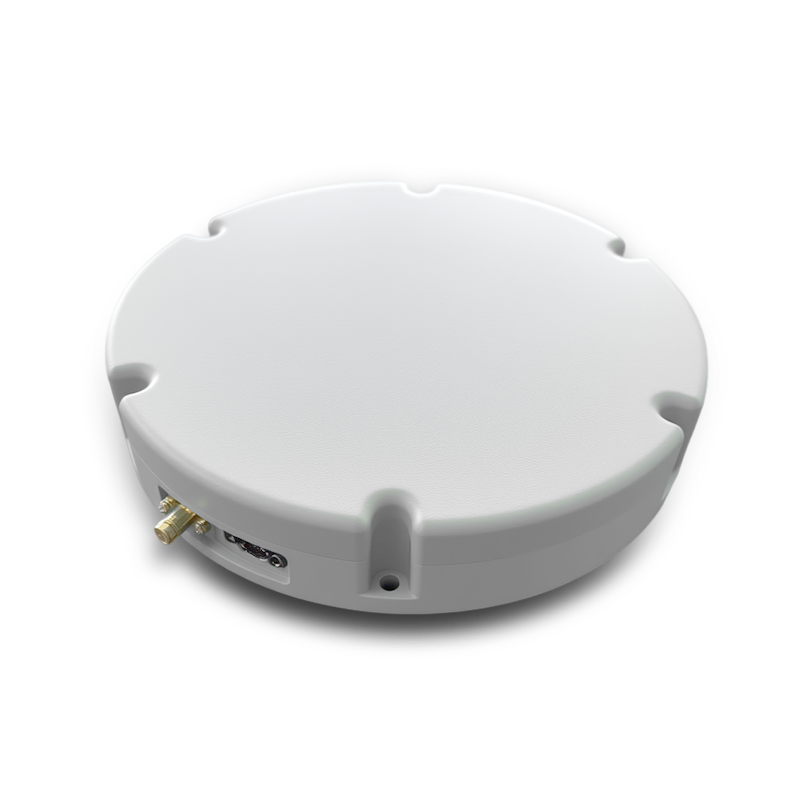 SLA-8B1L1-165
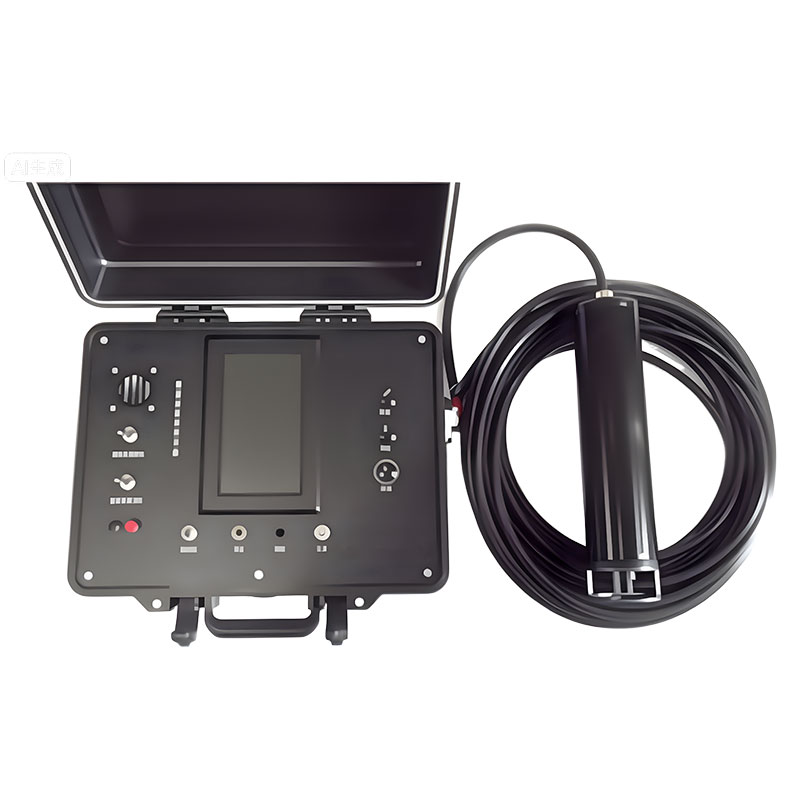 DIVER 101
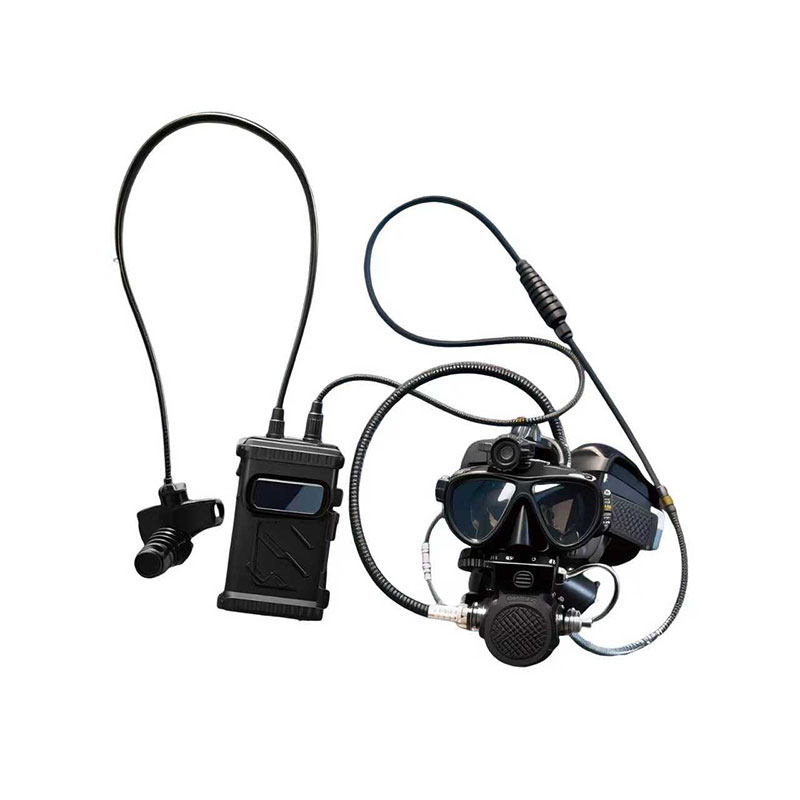 DIVER 102
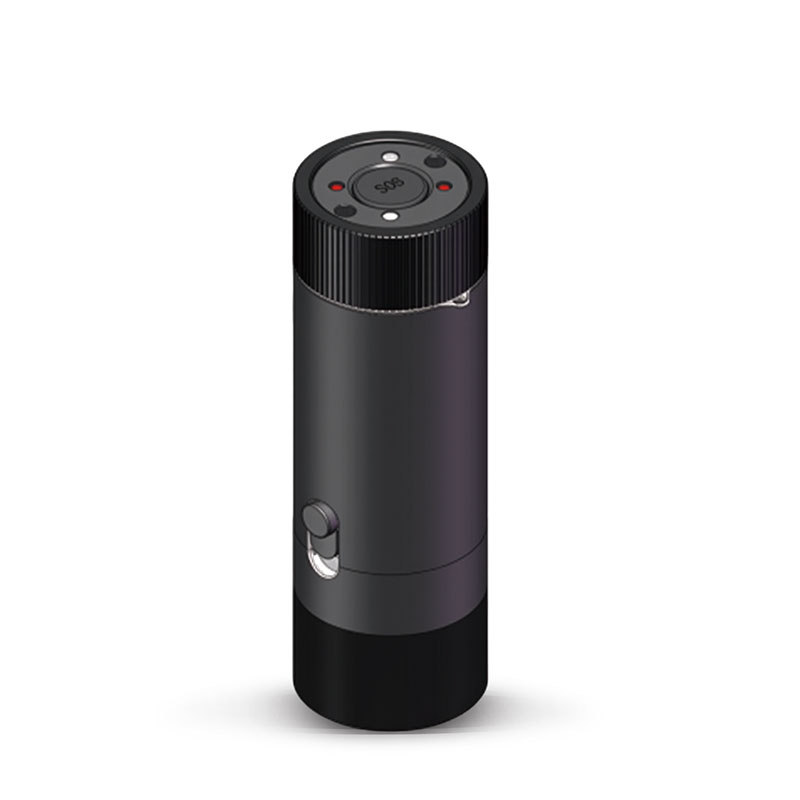 DIVER 103
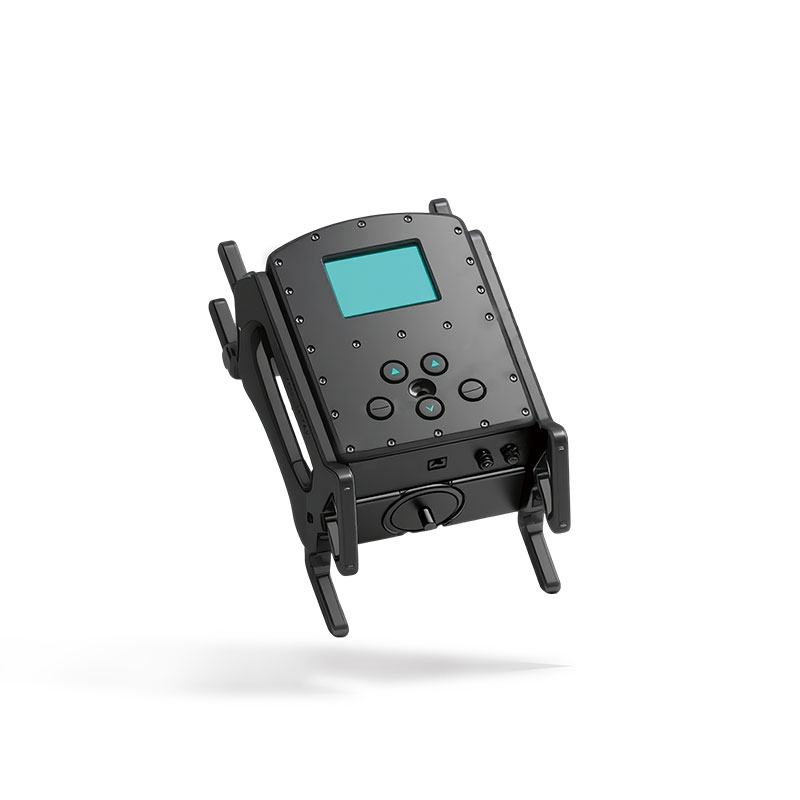 DIVER 104
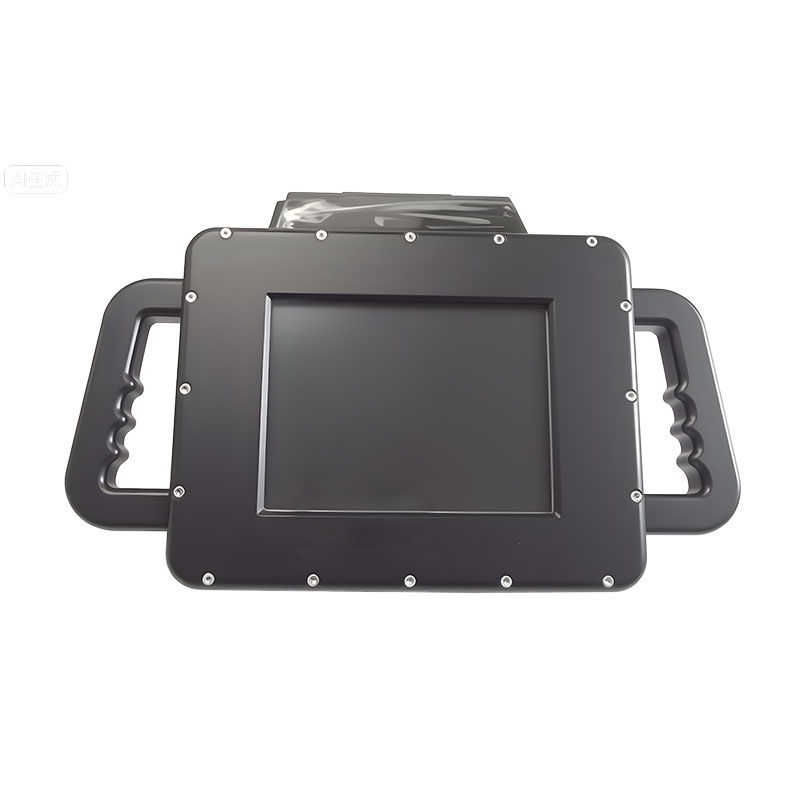 DIVER 105
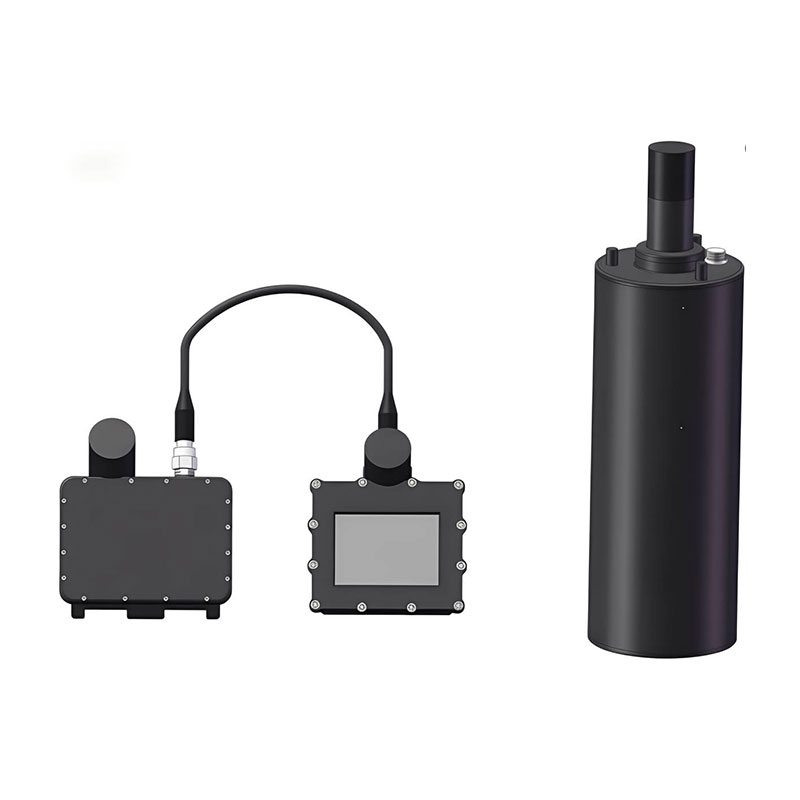 DIVER 106
 SLLR3000
 SLLR905
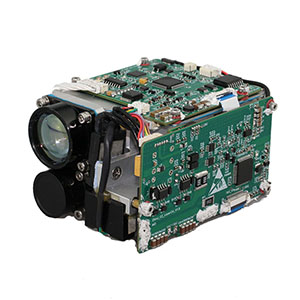 SLLD25
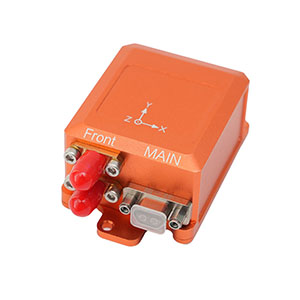 160M
160M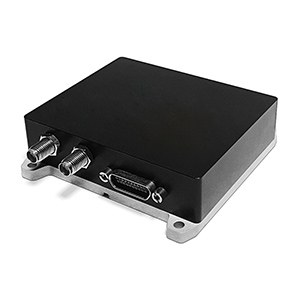 170M
170M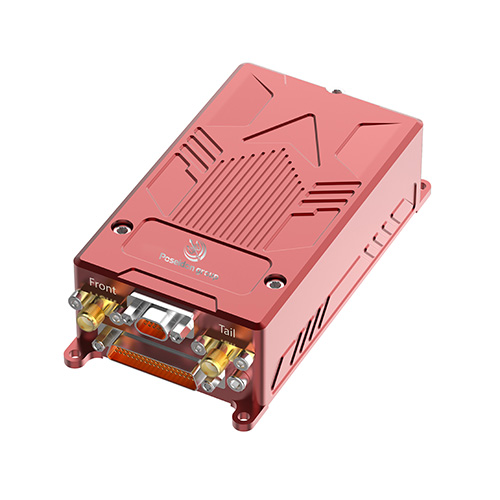 SLFC-70
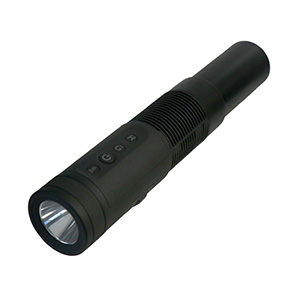 SLAF280
 MR360
MR360