Leave Your Message
0%

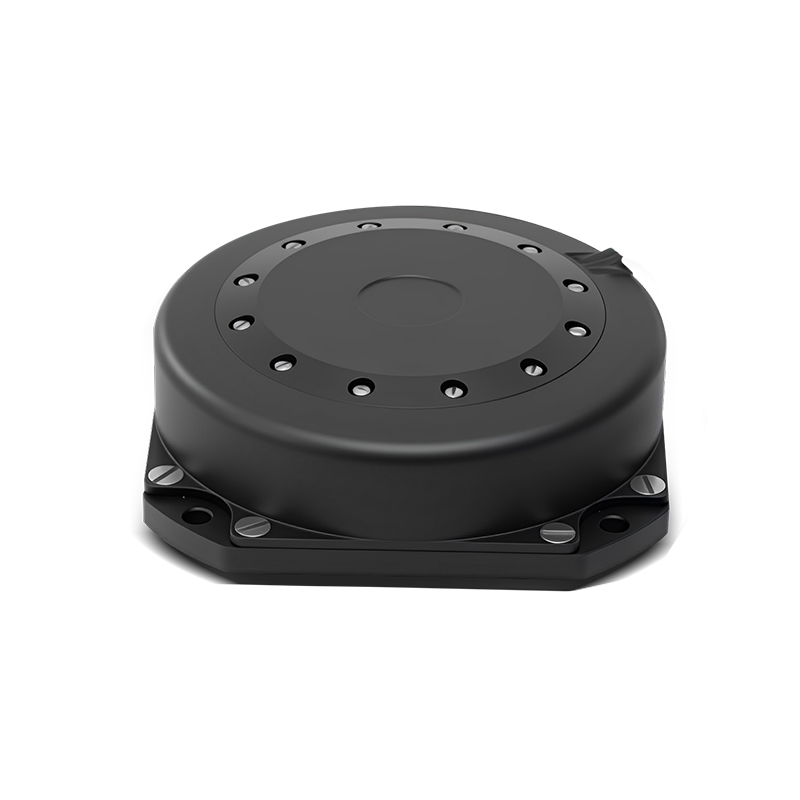
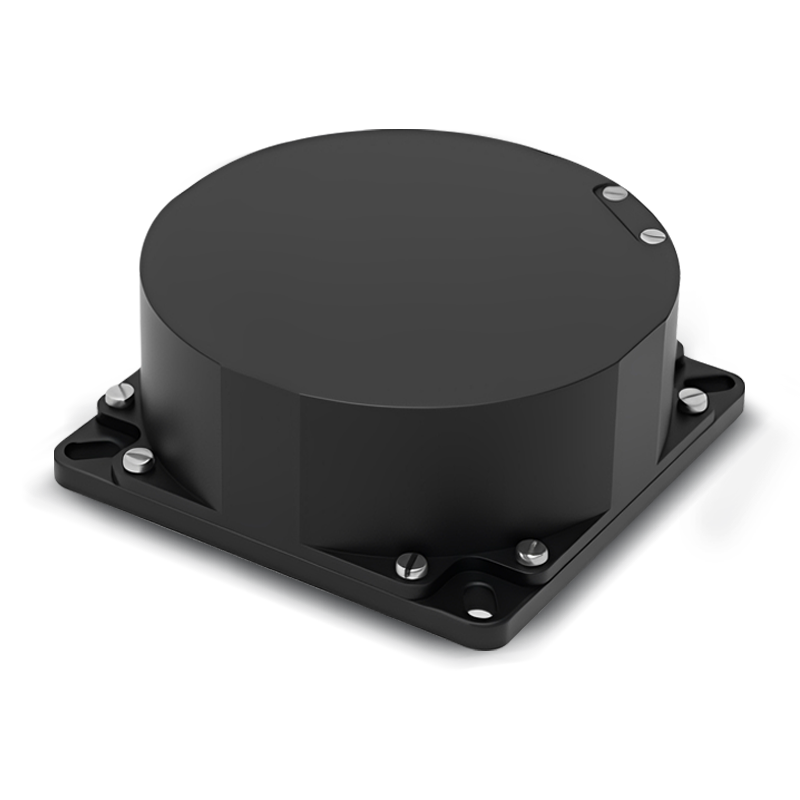
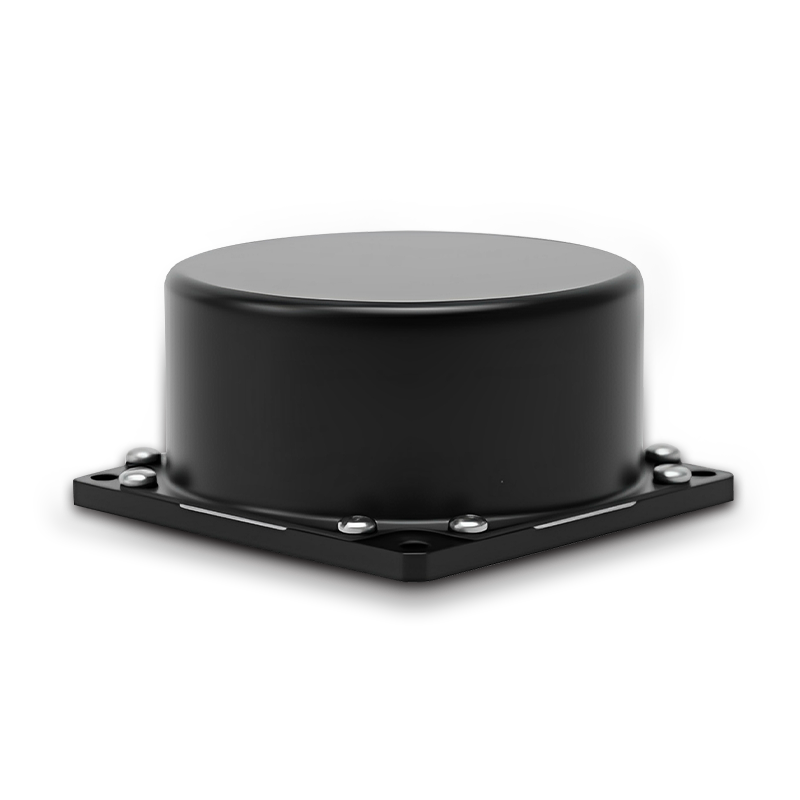
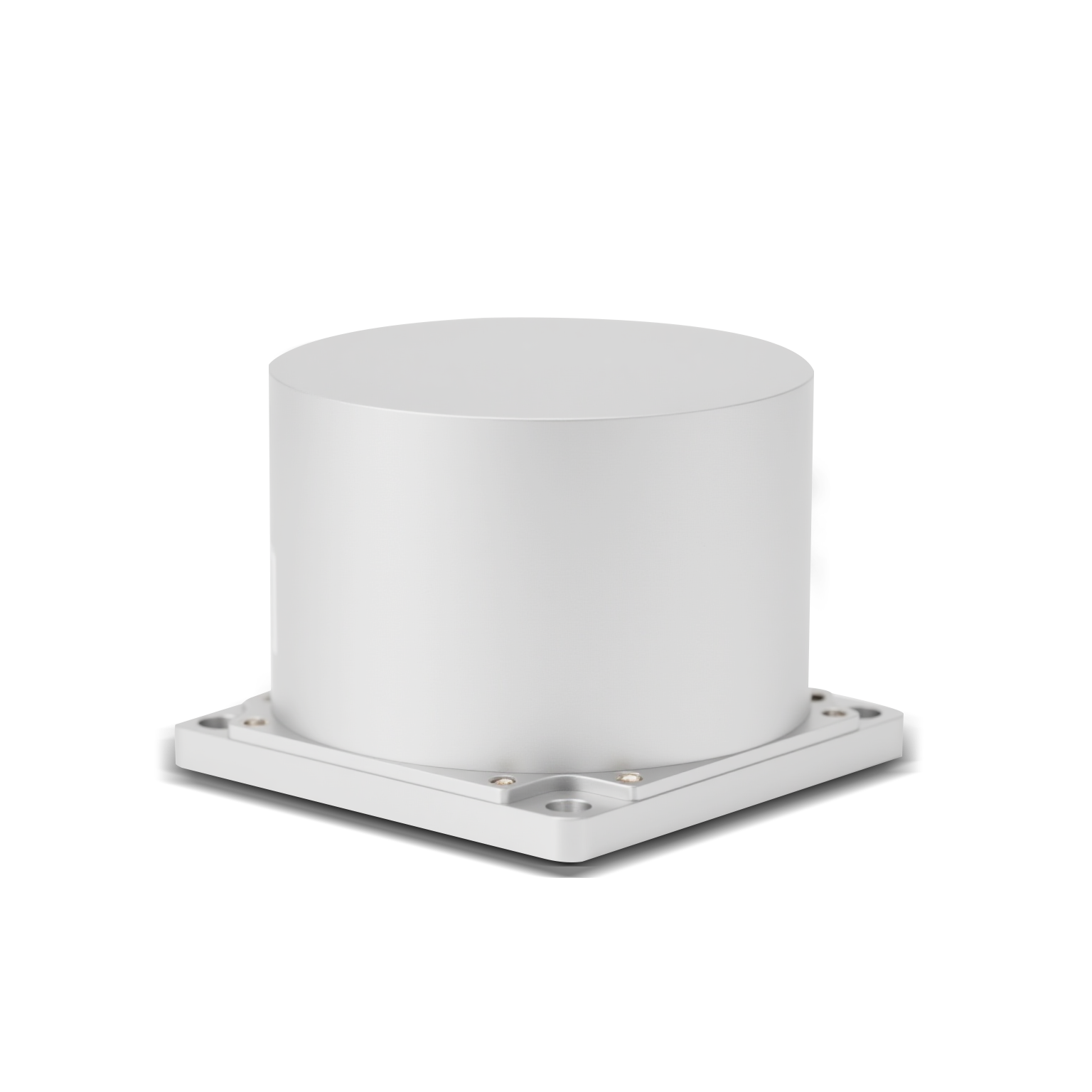
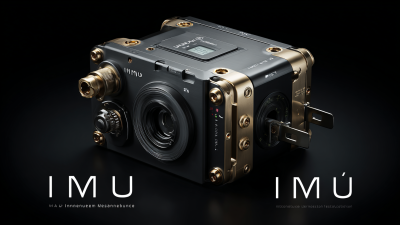
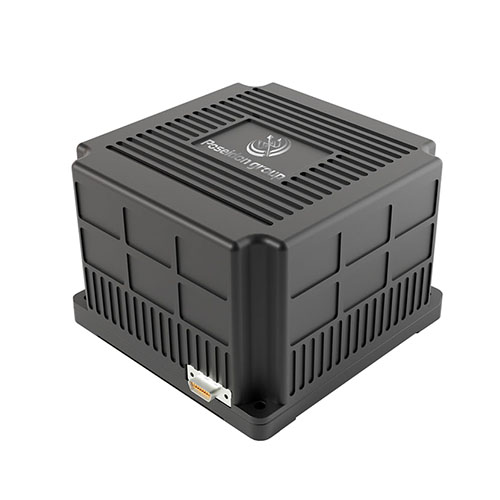
Lately, there's been a real surge in demand for super precise and reliable tech across all kinds of industries. That’s led to more and more companies turning to Strapdown IMUs—those tiny yet essential devices used in advanced navigation and control systems. If you check out recent market reports, they’re saying the global IMU market is set to grow at over 7% annually over the next five years. This growth is mainly fueled by innovations in autonomous tech and smarter systems, which is pretty exciting. Now, Poseidon International Group, based in Hong Kong and founded back in 2013, has really made a name for itself in this space. They focus on researching, designing, and manufacturing cutting-edge stuff like fiber optic gyroscopes (FOG) and inertial navigation systems (INS). With a solid portfolio of patents, they leverage Strapdown IMUs to boost performance and reliability across fields like aerospace, automotive, and robotics—helping to push the boundaries of what’s possible and setting new standards for operational excellence.

Unlocking Potential with Best Strapdown IMU Applications in Diverse Industries

Strapdown IMUs: Revolutionizing Aerospace Navigation Systems with Precision

You know, Strapdown Inertial Measurement Units (IMUs) have really become a game-changer when it comes to aerospace navigation. They've brought a level of precision and dependability that, honestly, was pretty much impossible to achieve before. Unlike those older gimbaled systems, these strapdown IMUs use fixed sensors paired with some pretty advanced algorithms to figure out orientation and position. It’s a clever setup — not only does it cut down on mechanical fuss, but it also responds way faster, which is super important for modern aircraft flying at high speed.

In aviation, accuracy is everything. And that’s where strapdown IMUs really shine, especially in those hectic situations where things are moving fast or changing rapidly. Think about turbulence or quick maneuvers — these units give real-time updates on altitude, pitch, roll, yaw, all that crucial info. It helps pilots and automation alike to make quick, informed decisions without missing a beat. Plus, their compact size means they can be tucked into lots of different platforms — from huge commercial jets to tiny drones. Because of that, they’re becoming pretty versatile tools across the board. As we keep pushing the limits of what’s possible in flight, it looks like strapdown IMUs are gonna play a big role in shaping the future of aviation tech.

Enhancing Automotive Safety: The Role of Strapdown IMUs in ADAS

The automotive world is really going through some big changes lately. A lot of it has to do with new tech, especially with Advanced Driver Assistance Systems, or ADAS for short. You know those sensors called strapdown Inertial Measurement Units (IMUs)? They’re kinda the unsung heroes right now, helping cars better understand their surroundings and keep everyone safe. These sensors make it possible for features like lane-keeping assist, adaptive cruise control, and even collision warnings to work smoothly. And with the market for ADAS expected to hit over $100 billion by 2032, it’s no surprise that demand for reliable, high-quality sensors is just skyrocketing.

One of the coolest trends I’ve seen is how AI is teaming up with these IMUs. It’s really changing the game when it comes to driver safety. The growth is huge—an estimated compound annual growth rate of about 42.8% from 2025 all the way to 2034. Basically, AI doesn’t just make these systems smarter; it makes them way more precise and trustworthy. As more people get aware of vehicle safety features and want safer rides, the reliance on advanced sensors like ultrasound and radar is only going to grow. The future of driving safety is all about these smart tech innovations—helping drivers avoid accidents and making the whole driving experience way better and safer.

Transforming Robotics: How Strapdown IMUs Drive Performance and Efficiency

You know, Strapdown Inertial Measurement Units (IMUs) are really changing the game in robotics. They’re boosting both how well robots perform and how efficiently they operate. Basically, these tiny devices give super accurate motion sensing, which means robots can handle pretty complicated tasks with impressive precision. Whether it’s construction sites or farms, the durability and strength of strapdown IMUs are crucial for helping robots navigate all sorts of environments, pushing automation forward, and keeping robotic systems running smoothly.

Unlocking Potential with Best Strapdown IMU Applications in Diverse Industries

If you're looking to get the most out of IMUs for your robotics projects, here are a few tips. First off, make sure you calibrate your IMU properly—this helps cut down on sensor drift and keeps things accurate when it matters most. Next, consider teaming up your IMUs with 3D LiDAR and Visual SLAM tech. This combo can seriously boost your robot’s ability to create real-time maps and navigate more effectively. It helps your robots better understand their surroundings and make smarter decisions, especially in busy or changing environments. And don’t forget to keep an eye on the latest in IMU tech—new advancements come out all the time, making these devices even better and more affordable, which means there's a ton of potential to unlock across different industries.

Wearable Technology: Tracking Human Motion with Strapdown IMUs in Healthcare

Lately, strapdown Inertial Measurement Units, or IMUs for short, have really started making waves in the healthcare world. You know, especially in wearable tech that tracks how people move. It’s pretty game-changing because now, healthcare pros can monitor a patient's activity and work on rehab more effectively. These devices give real-time info on how the body is moving, which means assessments are way more accurate. That helps doctors and therapists create personalized rehab plans that actually suit each patient’s needs.

Unlocking Potential with Best Strapdown IMU Applications in Diverse Industries

If you’re thinking about using strapdown IMUs in healthcare stuff, a few tips might help. First off, make sure you place the device correctly on the body—that’s key for getting good data. Also, pick high-quality sensors; top-notch IMUs really amp up the fidelity of the motion tracking. And don’t forget, having software that’s easy to use for visualizing and analyzing the data makes everything smoother. It’s all about making sure healthcare folks can easily interpret what they’re seeing.

Working with tech experts can also make a huge difference. Partnering up with software devs and data analysts helps turn raw motion data into insights that actually make a difference for patients. Bringing together different skills and perspectives — basically a multidisciplinary team — can unlock the full potential of strapdown IMUs. This opens up tons of possibilities for advanced motion tracking across all sorts of applications — it’s pretty exciting stuff.

The Future of Marine Exploration: Utilizing Strapdown IMUs for Deep-Sea Research

Looking ahead, the future of exploring the oceans seems pretty exciting, especially with these new strapdown Inertial Measurement Units (IMUs) coming into play. These high-tech sensors are really game changers—they give super accurate data on motion and orientation, which is a big deal when you're trying to navigate those deep, sometimes tricky waters down below. In the old days, underwater exploration was a real hassle, with all those bulky, complicated systems that needed a lot of calibration and upkeep. But now? These small, efficient strapdown IMUs make things way simpler, letting scientists and researchers collect accurate info without breaking a sweat.

By using strapdown IMUs in deep-sea research, we’re opening up some pretty cool new possibilities for understanding marine life and geology. You can easily slap these sensors onto autonomous underwater vehicles (AUVs), boosting their ability to handle tough terrains and gather super detailed data. With better position tracking, scientists can investigate stuff like hydrothermal vents or vibrant coral reefs with way less disturbance to the environment. And as tech keeps improving, the combo of strapdown IMUs and marine exploration is bound to lead us to some incredible discoveries about our planet’s final frontiers.

Unlocking Potential with Best Strapdown IMU Applications in Diverse Industries - The Future of Marine Exploration: Utilizing Strapdown IMUs for Deep-Sea Research

Application Area IMU Type Key Features Industry Impact Future Potential
Oceanographic Research Strapdown MEMS IMU High precision, compact size Enhanced data collection for sea current studies Improved modeling of ocean behavior
Autonomous Underwater Vehicles High-performance Fiber-optic IMU Low drift, resistant to environmental disturbances Increased efficiency in underwater navigation More efficient exploration missions
Submarine Vehicle Navigation Tactical-grade IMU High stability, exceptional accuracy Navigation in complex underwater environments Enhanced safety and operational capabilities
Marine Environmental Monitoring Multi-sensor IMU Integration with sonar and environmental sensors Real-time data for ecological research Greater ability to respond to changes in marine ecosystems
Deep-Sea Exploration Ultra-compact IMU Durability and low power consumption Facilitating discoveries of new species and habitats Potential for significant scientific breakthroughs

Structural Health Monitoring: Integrating Strapdown IMUs for Civil Engineering Applications

You know, integrating Strapdown Inertial Measurement Units (or IMUs) into Structural Health Monitoring has really kicked things up a notch in civil engineering. It’s like having a super-smart eye watching over bridges all the time. With these cutting-edge sensors, engineers can keep tabs on structures in real-time, catching any little issues early on—long before they turn into major problems. It’s a total game-changer, shifting us toward smarter infrastructure. Now, instead of waiting for something to break, we can be proactive about maintenance, making sure our bridges stay safe and reliable for everyone using them.

Lately, there’s been some exciting progress with vibration-based IoT systems that make good use of data from Strapdown IMUs. These systems can even assess the health of a bridge remotely, which totally changes how we monitor stuff. The cool part is that the data they gather can be plugged into predictive models, helping engineers make smarter decisions—less downtime, lower maintenance costs, and better safety all around. As we keep developing and tweaking these tech tools, it’s pretty clear that the future of civil engineering is headed towards even more intelligent sensing solutions. Basically, these innovations are set to completely revolutionize how we look after our vital infrastructure.

FAQS

: What is the role of strapdown IMUs in

dvanced Driver Assistance Systems (ADAS)?

How does the integration of artificial intelligence affect the use of strapdown IMUs in vehicles?

The integration of AI with strapdown IMUs improves decision-making processes and significantly enhances the accuracy of ADAS functionalities, thus contributing to overall vehicle safety.

What is the projected market growth for ADAS by 2032?

The market for ADAS is projected to exceed $100 billion by 2032, reflecting the increasing demand for robust sensors that can reliably support these systems.

How can strapdown IMUs benefit robotics applications?

Strapdown IMUs provide precise motion sensing, allowing robots to execute complex tasks accurately, which is essential for automation and navigation in diverse environments.

What are some tips for maximizing the effectiveness of strapdown IMUs in robotics projects?

Tips include proper calibration of the IMU to reduce sensor drift, integrating IMUs with 3D LiDAR and Visual SLAM technologies, and staying updated on the latest advancements in IMU technology.

How have strapdown IMUs impacted the healthcare industry?

In healthcare, strapdown IMUs have improved the monitoring of patient activity and rehabilitation of movement disorders by providing real-time data on body dynamics.

What factors should be considered when integrating strapdown IMUs into healthcare applications?

Factors include ensuring proper device placement on the body for accuracy, selecting high-performance sensors, and using user-friendly software for data visualization and analysis.

Why is collaboration with technology experts important in developing wearable solutions using strapdown IMUs?

Collaboration with software developers and data analysts is crucial to ensure that motion data collected translates into actionable insights that improve patient outcomes.

What is a key consideration for healthcare providers using strapdown IMUs?

Healthcare providers should focus on tailoring rehabilitation programs based on accurate assessments derived from the real-time data provided by strapdown IMUs.

What future advancements are expected for strapdown IMUs across various industries?

Ongoing innovations in IMU technology continue to enhance their capabilities and affordability, unlocking their potential for broader applications in fields like robotics, automotive safety, and healthcare.

Sophie

Sophie

Sophie is a dedicated marketing professional at Poseidon, a pioneering company established in 2013, specializing in the independent research, design, and production of advanced technologies, including fiber optic gyroscopes (FOG), inertial navigation systems (INS), and autonomous driving systems.......
Previous How the Best Inertial Sensor System Fuels China's Manufacturing Growth Amidst US-China Tariff Challenges